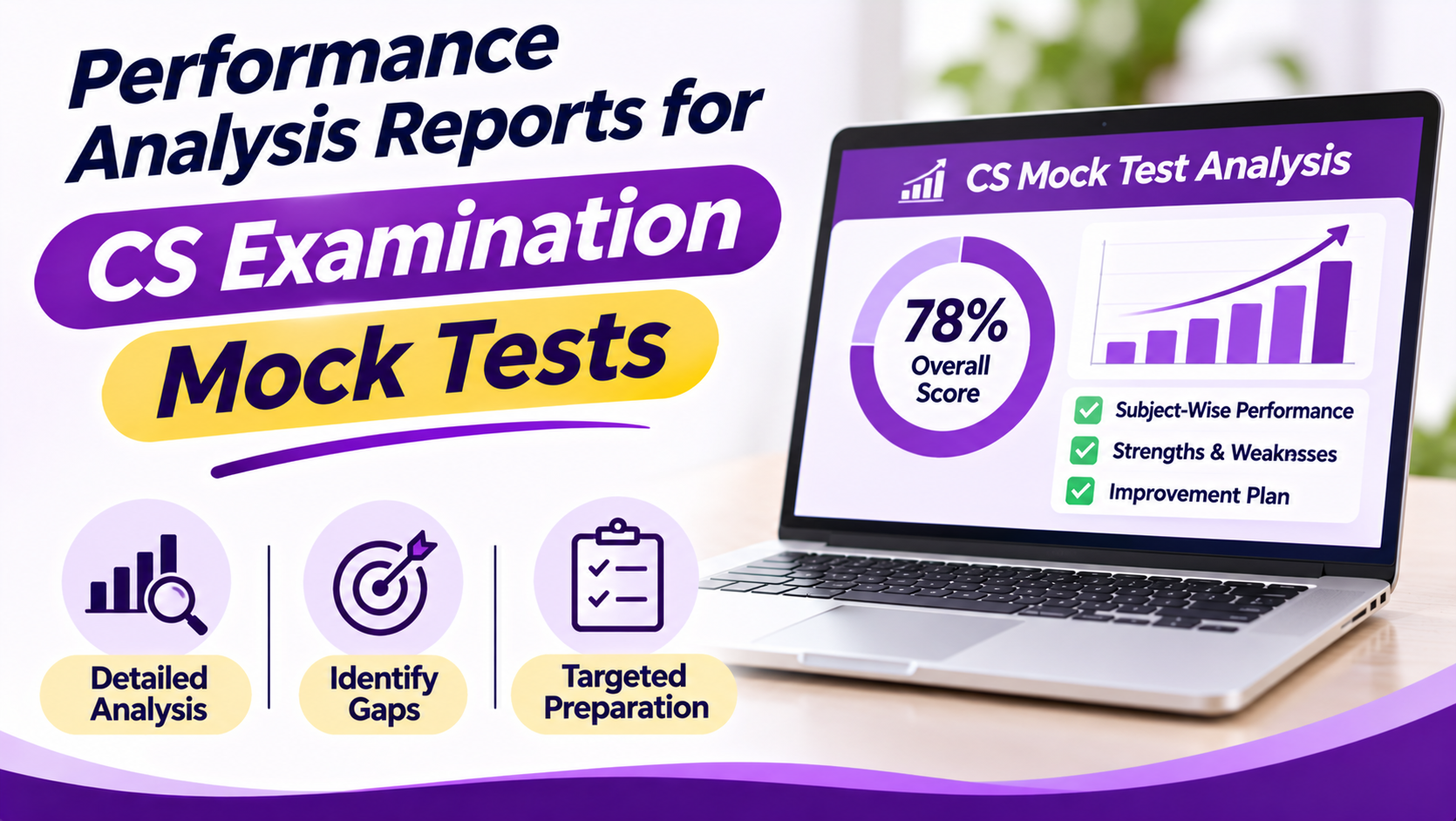
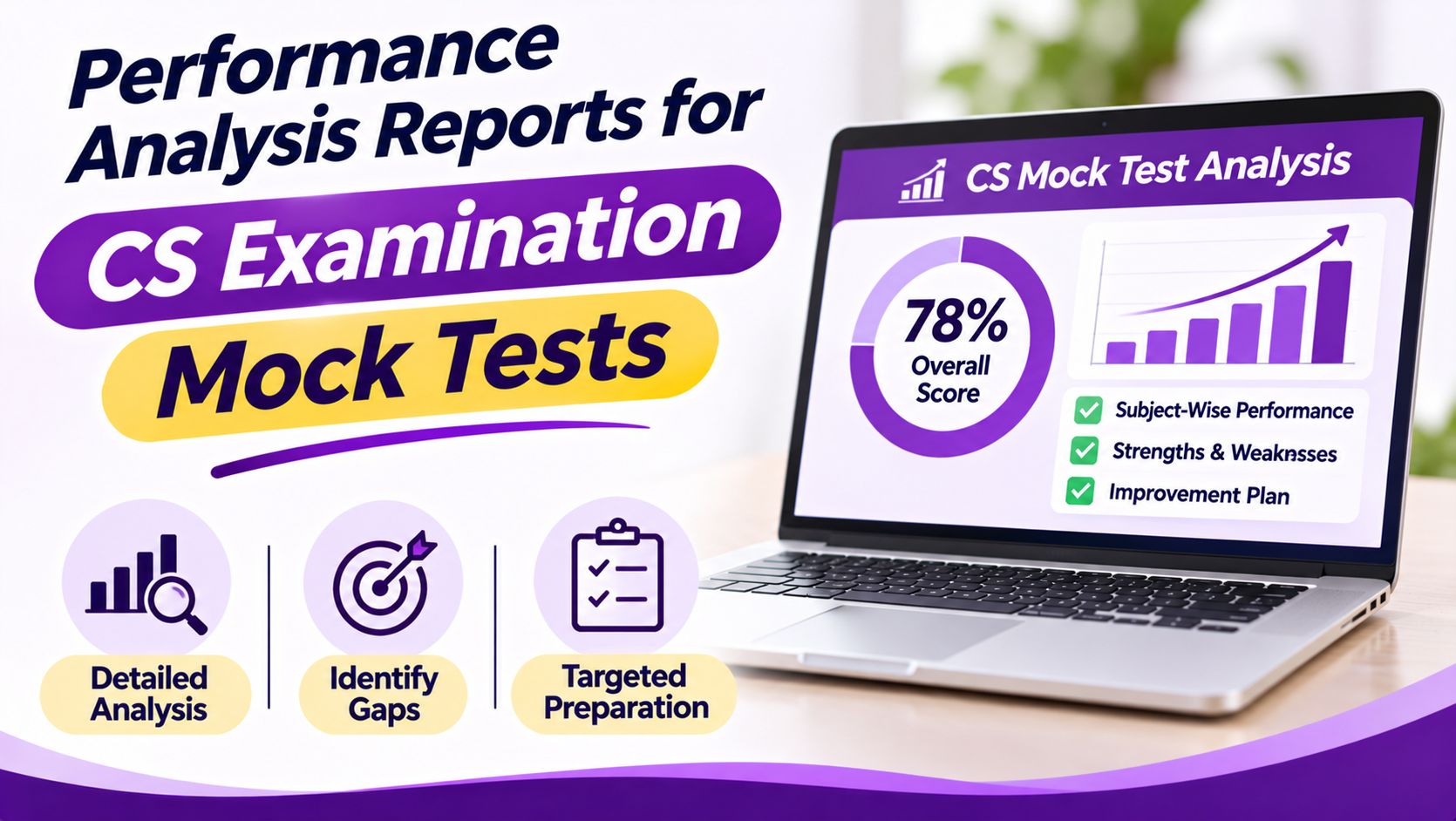
A mock test result is more useful when students understand what lies behind the score. A candidate may receive satisfactory marks but still have gaps in important topics. Another may score less because of poor time management rather than a lack of subject knowledge. Performance analysis reports help separate these factors.
Understand the Examination Requirements
Review the test details, maximum marks, marks obtained and available question-wise or topic-wise observations. Read the report with the question paper and answer sheet so that the numbers connect to actual responses. The precise information depends on the test format and evaluation method.
Why Regular Practice Matters
The total score gives a broad indication but does not explain the reason behind it. A lower result may reflect incomplete coverage, weak concepts, incorrect application or rushed answers. Review individual questions and identify where marks were gained or lost.
Create a Structured Preparation Plan
Break down performance by subject and topic where enough detail is available. Identify areas where you consistently perform well and topics that repeatedly need revision. Look for patterns across tests rather than drawing a conclusion from one question.
Move From Topic Tests to Full Papers
Accuracy reflects how reliably attempted questions are answered, while attempt rate indicates how much of the paper was attempted. For descriptive papers with partial marking, these simple measures may not tell the whole story. Review marks earned, completeness and quality of working.
Practise Different Question Formats
Review time spent on questions and sections. Compare it with marks and complexity. Slow performance may result from weak recall, difficulty interpreting requirements or writing more than necessary. Set one pacing adjustment for the next test and check its effect.
Build Time Awareness
Check written responses for missing provisions, weak application, unclear explanations, unlabelled calculations or incomplete conclusions. Record recurring comments in an error log. A specific issue such as failing to apply a rule to case facts is more useful than a broad label such as a weak subject.
Analyse Results and Correct Mistakes
Compare tests with similar formats and syllabus coverage. A short topic quiz and a complete paper assess different skills, so their scores should not be treated as equivalent. A meaningful improvement may appear as fewer repeated errors or better completion even if the total score changes only slightly.
Create a Balanced Weekly Routine
Every report should lead to practical actions. If a topic has a concept gap, return to the study material and solve basic questions. If application is weak, practise case-based questions. If presentation is unclear, rewrite selected answers using a clearer structure.
Use Feedback to Improve Preparation
Maintain a simple tracker with test date, subject, test type, score, topic observations, time notes, recurring errors and next action. Update it soon after evaluation while the attempt is fresh. Keep the system simple enough to maintain consistently.
Common Mistakes to Avoid
One mock test cannot predict the result of the actual CS examination. Reports reflect one paper, particular conditions and specific syllabus coverage. Treat findings as feedback about what to do next, not as a permanent label of ability.
Conclusion
CS Exams Test Series can provide marks, evaluation comments and performance summaries to help students review attempts. Use the information with official ICSI resources, self-study and planned revision. The benefit of a report depends on how carefully you interpret and apply it.