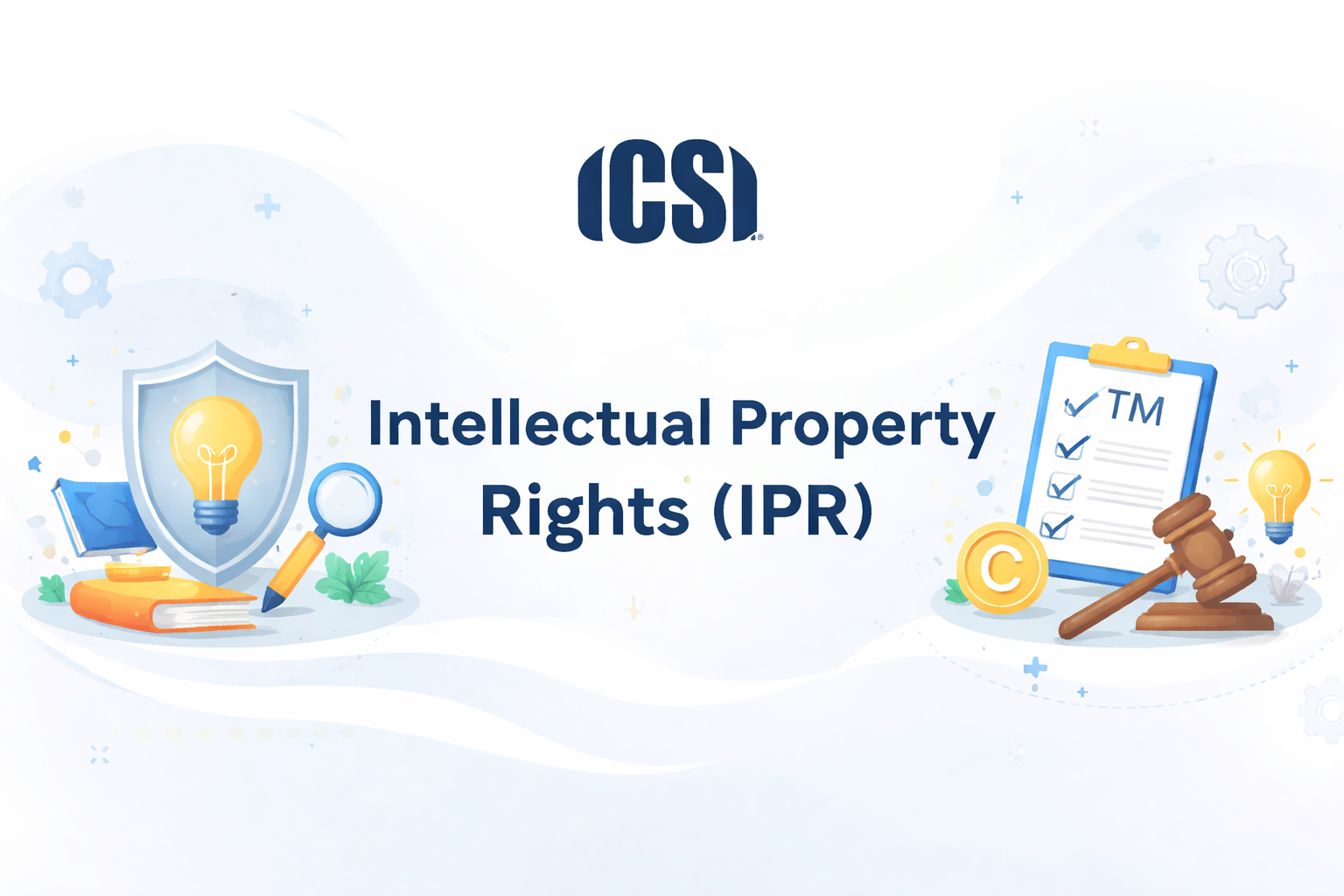
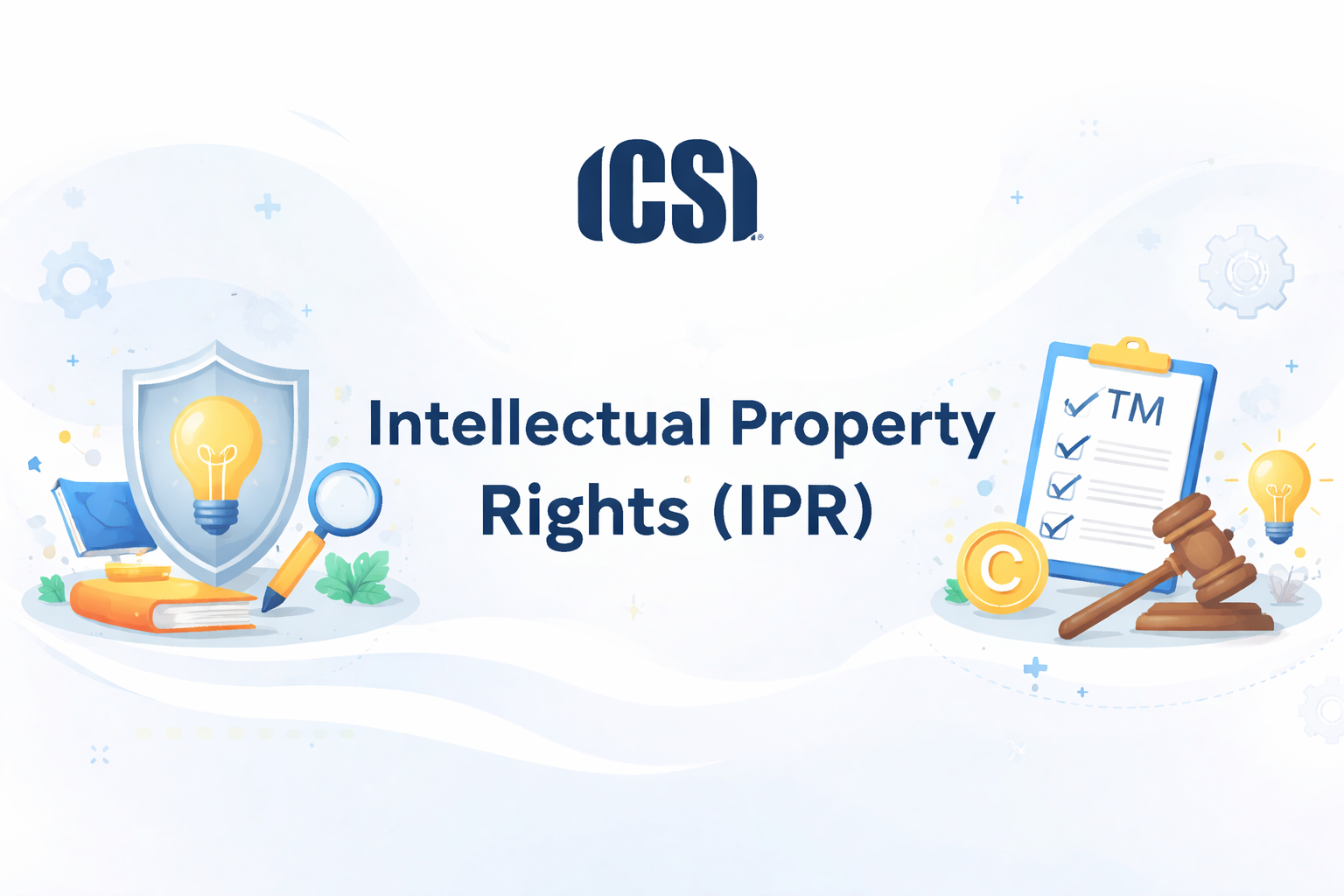
Intellectual property encompasses inventions, designs, and legal rights granted to the original inventors for their work. IP plays an important role in protecting intellectual property for inventors, artists, and businesses. This ensures that manufacturers are entitled to use, sell, or license their work only, thus motivating more inventions and innovations.
There are different types of intellectual property, each addressing different forms of construction. IP laws are ruled by national and international laws. To protect inventions through patents by protecting artistic functions under copyright. If individuals and businesses want to protect their innovative interests, then they should understand IP.
What are the Intellectual Property Rights?
The abstract property generated by human intelligence and creativity is known as intellectual property. These assets are covered by special laws, which give ownership rights to the inventors and prevent others from misusing them. The fundamental purpose of IP law is to inspire innovation and ensure that the creators are rewarded for their work. Intellectual property may include inventions, literary works, artistic works, symbols, names, images, and designs.
Types of Intellectual Property
Every type has its own specified laws and rules, which can provide different types of protection. These types include patent, trademark, copyright, trade secret, geographical signal, and industrial design.
-
Patient
A patent protects new inventions. It is a legal protection for an invention that is new, useful, and supports an inventive step. This allows the owner of the patent to use, produce, or sell the invention for a certain period, usually 20 years. It gives the inventors legal rights to prevent others from using their inventions without consent. This factor makes the patent a valuable innovation.
Examples: Technological devices, pharmaceutical drugs, etc.
-
Copyright
Copyright protects the original expression of ideas in literary, artistic, musical, and dramatic works. It does not cover the idea, but covers the specific form of expression. It gives creators exclusive rights to reintroduce, distribute, perform, and display their works. Copyright encourages artistic and cultural expression by protecting the economic and moral rights of the creators.
Examples: Books, Movies, Songs, Paintings, software, etc.
-
Trademark
Trademarks protect the unique symbols, names, logos, or slogans used to separate goods and services. This brand ensures recognition and prevents consumer confusion. Trademarks identify a brand, thus enabling consumers to identify products with their originals. Trademark protection ensures that the identity of a brand is unique. This prevents unauthorized use or duplication by the contestants.
Examples: Coca-Cola logo, McDonald's golden arches, etc.
-
Trade Secrets
Business secrets protect confidential business information that gives competitive benefits. This may include a formula, a manufacturing process, a marketing strategy, or a customer list. Unlike patents, business secrets are not registered. The safety of business secrets relies on privacy maintained through legal agreements.
Examples: Google’s search algorithm
Importance of Intellectual Property Rights
Intellectual property (IP) has become an important component of modern economies. This not only ensures the protection of innovation, but also acts as a source of creativity and economic speed. It is in the Consumer Trust and Equity in Trade, in addition to compensation to the creators. Here are the main arguments that show why intellectual property is important.
- Encourages innovation: provides financial incentives for creators.
- Supports economic growth: strengthens businesses and generates revenue.
- Consumers protect the trust: trademarks and certificates ensure quality assurance.
- Global Competition: Ensure a proper trade environment for IP owners.
Intellectual property is located in the heart of innovation and creation. It is a part of legal protection and encourages the creators. A different cause of each intellectual property exists. Patents for technical inventions, trademarks for brand identity, or copyrights for artistic functions.
There are challenges such as enforcement intervals and piracy. Therefore, it is important to understand the legal structure that controls these rights. It enables individuals and businesses to protect their intellectual property effectively. In a world where the economy is rapidly knowledge-based, the importance of strong IP systems will only increase.
Role of Company Secretaries in Checking Intellectual Property Rights
The company's secretaries play an important role in ensuring that the company complies with legal requirements and rules, including the management of intellectual property rights (IPR).
They are responsible for the company's intellectual property assets, such as patents, trademarks, copyrights, and business mystery registration, maintenance, and protection. The company's secretaries work closely with legal advisors and IP experts to ensure that the company's intellectual property is properly identified, documented, and preserved.
They may be involved in reviewing and negotiating contracts, licenses, and agreements related to intellectual property transactions. Additionally, they help implement strategies to protect the company's intellectual property rights against violations and unauthorized use.
Why Choose CS Exam Test Series for CS Preparation
When it comes to preparing for the hard CS exams, choosing the right test series can make all the difference. csexams.in has emerged as a trusted and result-oriented platform for CSEET, Executive, and Professional-level aspirants. Here's why it should be your first choice:
- Trusted by Thousands of CS Aspirants: The CS Exam has built a strong reputation among CS students for its consistent quality and excellent student feedback.
- ICSI Pattern-Based Question Papers: All tests are strictly based on the latest ICSI exam pattern and syllabus, ensuring real exam-like practice.
- Timely Evaluation with Expert Feedback: Get your answers evaluated within 48–72 hours along with detailed feedback, a marking scheme, and improvement tips.
- Personalized Mentorship & Study Planner: Get personalized mentorship, performance tracking, and a daily study plan customized to your syllabus completion pace.